

Safes can get locked due to forgotten combinations, dead batteries, jammed locking mechanisms, damaged keys, or repeated incorrect code entries. Professional locksmiths diagnose the problem, safely open the safe, repair or replace faulty locks, and restore secure access to your valuables.
Introduction
Safes provide a reliable way to protect valuable belongings, important documents, cash, and personal items. However, getting locked out of a safe can be frustrating, especially when you need immediate access to its contents. Several issues, including forgotten combinations, dead batteries, damaged keys, and malfunctioning locking mechanisms, can prevent a safe from opening. Fortunately, professional locksmiths have the knowledge and specialized tools to identify these problems and restore access safely. Understanding the common reasons safes get locked can help you avoid unnecessary stress, protect your valuables, and determine when professional safe locksmith services are the best solution for your security needs.
Why Do Safes Suddenly Stop Opening?
Safes can become inaccessible for several reasons, ranging from simple user errors to complex mechanical problems. Sometimes, the issue involves an incorrect combination or a keypad that has stopped responding. In other cases, internal components may wear out after years of use. Although the situation can feel stressful, identifying the likely cause helps a locksmith choose a suitable solution without risking unnecessary damage.
Forgotten Combinations and Incorrect Access Codes
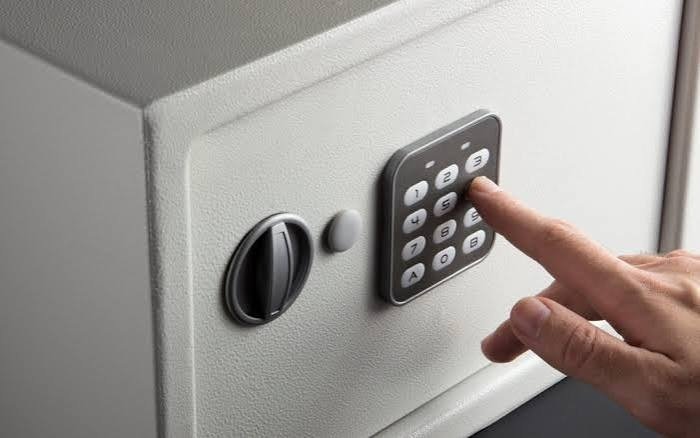
Forgetting a safe combination is more common than many people realize, especially when the safe remains unused for months. Repeatedly entering incorrect codes may trigger a temporary lockout on electronic models. A professional locksmith can assess the locking mechanism, verify available ownership documentation, and determine the appropriate recovery method. Professional safe opening helps restore authorized access while preserving the safe whenever possible.
Dead Batteries and Electronic Keypad Problems
Electronic safes depend on a reliable power supply and functioning keypads. When batteries lose power, the keypad may become unresponsive, or the safe may fail to recognize an otherwise correct code. Damaged buttons, corroded contacts, and wiring faults can create similar problems. A qualified locksmith can inspect the electronic system, identify the underlying fault, and recommend safe recovery or component replacement.
Mechanical Lock Failures and Worn Components
Traditional combination locks and key-operated safes contain moving components that can wear down over time. Springs, locking bolts, gears, and other internal parts may become damaged, misaligned, or stuck. When this happens, the correct combination or key might not release the locking mechanism. Professional inspection helps identify the defective component and determine whether repair, adjustment, or replacement offers the most practical long-term solution.
Jammed Bolts, Misaligned Doors, and Physical Damage
A safe door may become difficult to open when its bolts bind against the frame or internal components lose their proper alignment. Heavy contents pressing against the door, accidental impacts, or previous improper handling may contribute to the problem. Forcing the handle can make matters worse. A trained locksmith can evaluate the door, identify mechanical resistance, and select an appropriate repair method.
How Professional Locksmiths Restore Safe Access
Professional locksmiths begin by assessing the safe’s brand, locking system, visible condition, and reported symptoms. They may check the power supply, inspect accessible components, and determine whether the issue requires electronic troubleshooting or mechanical repair. After confirming authorization, they select the least invasive suitable method. This careful approach supports reliable locked safe opening while helping preserve the safe’s structure and protective features.
What to Do Before Calling a Locksmith
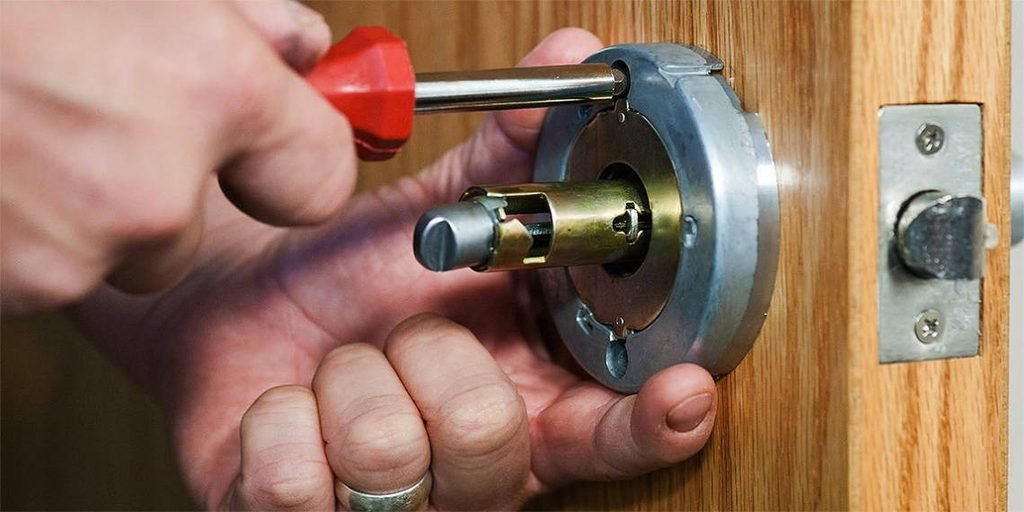
When a safe refuses to open, taking a few sensible precautions can prevent additional damage and make the service appointment more productive. Avoid forcing the handle, repeatedly guessing combinations, or attempting unfamiliar repairs. Instead, record the safe’s make and model, note any warning lights or unusual sounds, and explain what happened before the problem started.
Helpful steps include:
- Check the owner’s manual for approved troubleshooting guidance.
- If the safe uses batteries, follow the manufacturer’s instructions for checking or replacing them.
- Keep any available keys, ownership documents, and purchase information nearby.
- Note error messages or unusual changes in keypad behavior.
- Contact a qualified locksmith if the problem persists.
These simple actions help the technician understand the situation and prepare for an appropriate solution.
Why DIY Safe Opening Can Create Bigger Problems
Trying to force a locked safe open with improvised tools may damage its door, locking bolts, keypad, or internal mechanism. Drilling or dismantling components without understanding the safe’s design can also compromise its security and increase repair costs. Online tutorials may not account for differences between models. A qualified professional can evaluate the risks, explain available options, and help avoid unnecessary damage.
When Should You Request Professional Safe Locksmith Services?
You should consider professional assistance when the safe remains locked after basic manufacturer-approved checks, the combination no longer works, the keypad repeatedly displays errors, or the handle feels unusually stiff. A damaged key, suspected internal failure, or a safe that has been exposed to impact also warrants an inspection. Experienced technicians can provide safe locksmith services suited to the lock type, condition, and security requirements.
Choosing the Right Safe Opening Specialist
Not every locksmith has the same experience with high-security safes, electronic locks, and specialized locking mechanisms. Before scheduling an appointment, ask about the technician’s experience with your safe type, service procedures, estimated costs, and potential repair options. Confirm that the provider can verify ownership and explain any risks before work begins. Clear communication helps you choose a professional who prioritizes security, transparency, and careful workmanship.
How Regular Maintenance Helps Prevent Future Lockouts
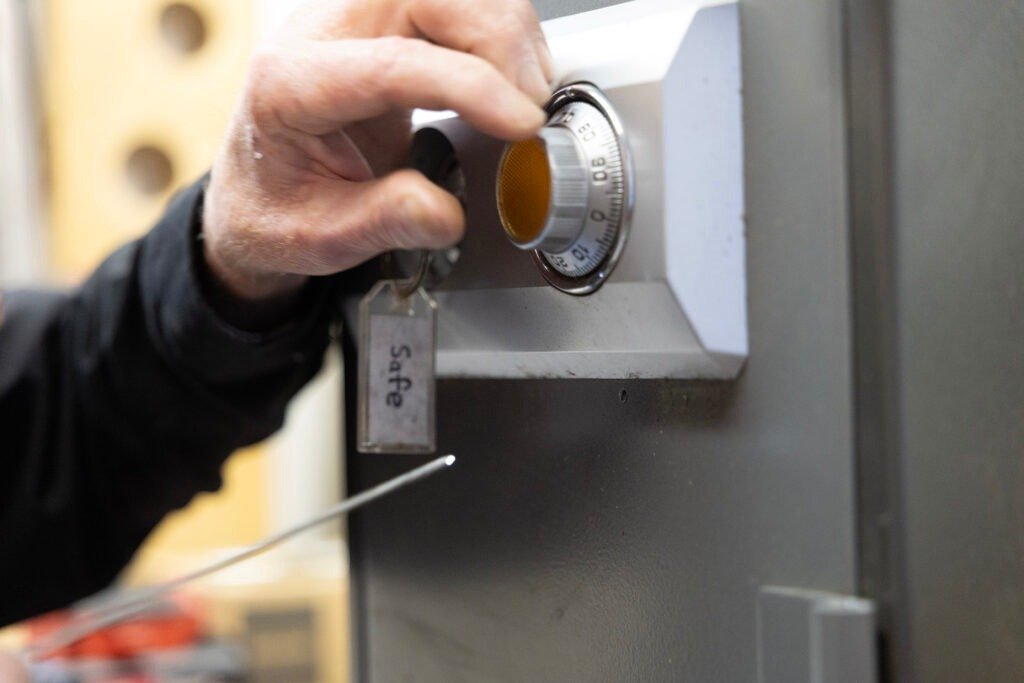
Routine maintenance can reduce the likelihood of unexpected safe access problems. Follow the manufacturer’s recommendations for battery replacement, cleaning, and inspection, and avoid placing excessive pressure on the door or handle. Keep combinations stored securely and update authorized users when access arrangements change. If the lock begins behaving inconsistently, arrange an inspection before it fails completely. Preventive care can improve reliability and help extend the safe’s service life.
Get Reliable Help When Your Safe Will Not Open
A locked safe can disrupt your day, but the right professional can help you understand the problem and choose a practical solution. Whether you are dealing with an electronic keypad failure, a forgotten combination, or a jammed locking mechanism, avoid actions that could worsen the damage. Explore safe locksmith services from Mike’s Mt. Pleasant Locksmiths to learn about available assistance. A qualified locksmith can assess your situation, explain the next steps, and work toward restoring authorized access while protecting your valuables and the safe itself.
Wrapping Up
In conclusion, safes can become locked for various reasons, including forgotten combinations, dead batteries, damaged keys, and faulty locking mechanisms. Understanding these common problems can help you take preventive measures and avoid unnecessary frustration. When a safe refuses to open, professional locksmiths can diagnose the issue, restore access, and repair damaged components without causing unnecessary damage. For dependable assistance, Mike’s Mt. Pleasant Locksmiths can help address your safe-related security concerns. Whether you need safe opening, lock repair, or replacement, contacting experienced professionals helps protect your valuables and maintain the security of your important belongings.
FAQs
Q: Why does my safe refuse to open even with the correct combination?
A: The lock may have a low battery, worn components, misaligned bolts, or an internal mechanical fault. A locksmith can inspect the system and identify the cause without relying on guesswork.
Q: Can a locksmith open a safe without damaging it?
A: In many cases, yes. The available options depend on the safe’s design, condition, and locking mechanism. A professional will generally assess less invasive methods first, although some situations may require destructive entry.
Q: How long does a professional safe opening service take?
A: Timing varies according to the safe’s construction, the type of lock, and the cause of the lockout. A straightforward electronic issue may take less time than a damaged high-security mechanism.
Q: What should I bring when requesting safe opening services?
A: Bring proof of ownership or authorization when available, the safe’s make and model, any keys or documentation, and details about the symptoms. These details help the locksmith assess the situation.
Q: How can I prevent my safe from getting locked again?
A: Maintain the safe according to its manufacturer’s instructions, replace batteries as recommended, store the combination securely, and arrange professional attention when you notice unusual lock behavior.
Q: Is professional safe unlocking service available for electronic and mechanical safes?
A: Many qualified locksmiths work with both electronic and mechanical models, but capabilities vary. Ask whether the technician has experience with your specific safe type before scheduling service.