
Choosing the best local lock repair service for your home involves checking the locksmith’s experience, reputation, licensing, and customer reviews. Compare pricing, response times, and the range of services offered to ensure you receive reliable, affordable, and professional assistance.
Introduction
Choosing the right locksmith is essential for keeping your home safe and protecting your family and belongings. When a lock becomes damaged, sticks frequently, or stops working properly, finding a reliable professional can save you time, money, and stress. However, with so many options available, selecting the best local lock repair service may feel overwhelming. You need a locksmith who offers quality workmanship, transparent pricing, quick response times, and dependable customer service. By checking experience, customer reviews, and available services, you can make an informed decision. Ultimately, hiring a trusted professional helps maintain your home’s security and provides lasting peace of mind.
Understand Your Home’s Lock Repair Needs
Before contacting a locksmith, take a moment to identify the problem. Does your key stick, does the lock turn without opening, or does the deadbolt fail to engage? These symptoms can indicate worn internal components, alignment problems, or damage from attempted forced entry. Understanding the issue helps you explain your needs clearly. However, avoid forcing the key or dismantling the lock yourself, as doing so could increase repair costs and compromise your security.
Check Experience, Credentials, and Professional Reputation
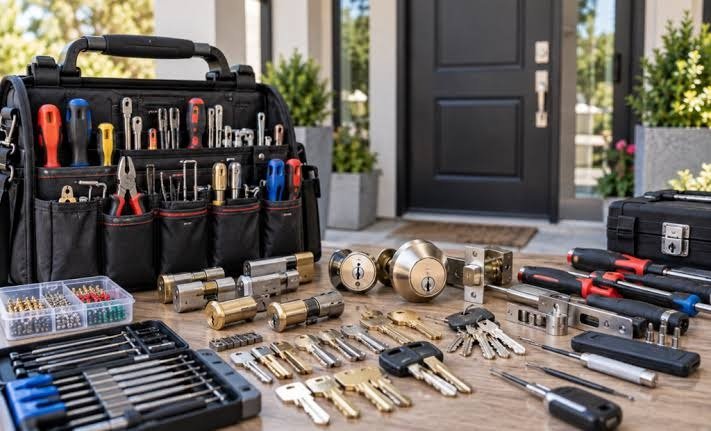
Experience matters when choosing a Professional lock repair service. Look for a locksmith who regularly handles residential locks, understands modern security hardware, and can explain repair options in plain language. Depending on local requirements, verify applicable licenses, insurance, and identification. Also, review customer feedback across multiple platforms rather than relying on one testimonial. A trustworthy professional answers questions patiently, provides clear information, and never pressures you into replacing a lock that can be repaired safely.
Compare Services and Find the Right Specialist
Not every locksmith offers the same services, so confirm that the company can handle your particular lock problem. Some specialize in traditional deadbolts, while others work with smart locks, keypad systems, and high-security hardware. Ask whether the technician can repair your existing lock or recommend a suitable replacement when necessary. You can review the available locksmith services to understand the types of assistance you may need.
When comparing providers, look for these important qualities:
- Experience repairing your specific lock type.
- Availability for urgent lock problems.
- Knowledge of residential security hardware.
- Clear explanations of repair and replacement options.
- Professional communication and respectful service.
Request Transparent Pricing Before Work Begins
Price matters, but the cheapest quote doesn’t always represent the best value. Ask for an estimate that explains the service call, labor, replacement parts, and any after-hours charges. A reliable locksmith should explain what could change the final price and obtain your approval before performing additional work. If a quote seems unusually low, ask whether it includes all expected costs. Comparing written estimates from different providers helps you make an informed decision without sacrificing quality or security.
Choose a Skilled Residential Lock Repair Technician
A qualified Lock repair technician should understand how different lock mechanisms operate and how to diagnose faults accurately. For Residential lock repair, this includes repairing deadbolts, doorknobs, latch assemblies, and cylinders when appropriate. The technician should also check whether the door and strike plate align correctly, because alignment problems can make even a functional lock difficult to operate. Ask how the professional will protect your door’s finish and test the lock before completing the job.
Evaluate Communication, Reliability, and Customer Service
Good customer service often reveals how a locksmith approaches the work itself. A dependable company should communicate arrival times, explain the repair process, and answer questions without using confusing technical language. Before scheduling, confirm the business name, technician details, service area, and estimated arrival window. If the locksmith encounters an unexpected problem, they should discuss the available options before proceeding. Professional communication builds trust and helps you feel more confident about allowing someone to work on your home’s security.
Know When Repair Is Better Than Replacement

A faulty lock doesn’t always need complete replacement. Sometimes, cleaning, adjustment, cylinder repair, or replacing a worn component can restore proper operation. However, a lock with severe internal damage, outdated security features, or evidence of tampering may need replacement instead. Ask the locksmith to explain the condition of the hardware and compare the costs and benefits of both options. A professional should base the recommendation on security, reliability, and value rather than automatically choosing the most expensive solution.
Verify Security Knowledge and Modern Lock Expertise
Home security continues to evolve, so your locksmith should understand both traditional locks and newer entry systems. If your home uses a keypad, smart lock, or high-security cylinder, ask about the technician’s experience with that specific product. A knowledgeable professional can explain compatibility, maintenance, and potential vulnerabilities. They should also discuss practical improvements, such as reinforcing a strike plate or correcting door alignment. Choose recommendations that match your home’s layout, security priorities, and budget instead of paying for features you don’t need.
Ask About Warranties, Parts, and Follow-Up Support
A reliable locksmith should explain whether the repair includes a workmanship warranty and whether replacement parts have separate coverage. Ask for written details about what the warranty covers, how long it lasts, and what exclusions apply. Keep your receipt and any documentation provided after the service. If the lock becomes difficult to operate again, you will know whom to contact and what protection may be available. Clear after-service support adds confidence and helps you evaluate the overall value of the repair.
Watch for Warning Signs Before Hiring a Locksmith
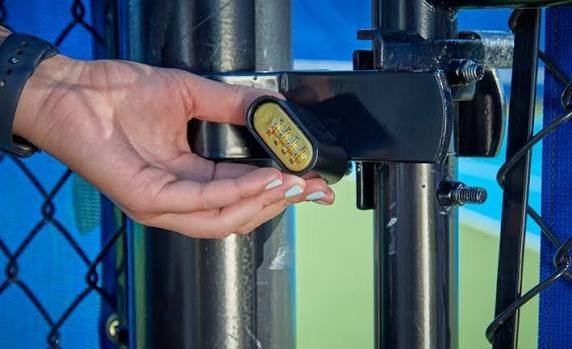
Although many locksmiths provide honest, professional service, some warning signs deserve attention. Be cautious when a provider refuses to identify the business, avoids discussing prices, or insists on replacing a lock without explaining why. Vague advertisements and quotes that increase dramatically after arrival also warrant scrutiny. Before authorizing the work, confirm the agreed price and ask for an explanation of any additional charges.
Watch for these potential red flags:
- No clear business identity or verifiable contact information.
- Refusal to provide an estimate before starting work.
- Pressure to replace functioning hardware unnecessarily.
- Unexplained charges or unexpected changes in scope.
- Poor communication about credentials, parts, or warranties.
If something feels wrong, pause the job and seek clarification before approving. Your home security deserves careful, informed decisions.
Make the Right Choice for Long-Term Home Security
Choosing the best local locksmith means balancing experience, transparent pricing, technical ability, and customer service. Start by identifying the problem, researching reputable providers, and asking direct questions about the proposed repair. Then compare estimates and confirm the scope of work before scheduling. Remember that a dependable professional will explain the available options, respect your budget, and prioritize your home’s security. With the right Local lock repair services, you can resolve frustrating lock problems, reduce avoidable expenses, and maintain confidence in the doors that protect your family.
Conclusion
Choosing the best local lock repair service for your home is an important step toward maintaining safety and protecting your loved ones. By checking a locksmith’s experience, customer reviews, service quality, and pricing, you can find a reliable professional who meets your needs. Additionally, addressing lock problems promptly can prevent security risks and costly replacements. Whether you need lock repairs, replacements, or general security improvements, working with an experienced locksmith makes the process easier and more convenient. For dependable assistance and professional locksmith solutions, contact Mike’s Mt. Pleasant Locksmiths to help keep your home secure and give your family greater peace of mind.
FAQs
Q: How do I find a reliable local lock repair service?
A: Check recent customer reviews, verify applicable credentials, compare written estimates, and ask about experience with your lock type. Choose a locksmith who communicates clearly and explains the repair before starting work.
Q: How much does residential lock repair cost?
A: Costs vary depending on the lock type, damage, labor, replacement parts, location, and service time. Request an itemized estimate before authorizing repairs, and confirm whether emergency or after-hours charges apply.
Q: Can a locksmith repair a lock instead of replacing it?
A: Yes. A locksmith may repair worn components, adjust the latch, correct alignment, or service the lock cylinder. Replacement may be necessary when damage is severe, or the hardware no longer provides appropriate security.
Q: What is the difference between residential and commercial lock repair?
A: Residential lock repair focuses on home entry locks, deadbolts, and household security hardware. Commercial lock repair addresses business doors, access-control systems, and other security hardware designed for commercial properties.
Q: Why should I hire a professional instead of fixing the lock myself?
A: A professional can diagnose hidden mechanical problems, use appropriate tools, and help prevent damage to the door or locking mechanism. This is particularly important for high-security locks and electronic entry systems.