

Residential locks can develop problems such as sticking, broken keys, loose hardware, or misalignment, making doors difficult to secure. Professional locksmiths diagnose the issue and provide reliable repairs, replacements, or adjustments to restore smooth and secure operation.
Introduction
A reliable residential lock plays an important role in protecting your home, family, and belongings. However, everyday use can cause locks to stick, jam, loosen, or stop working properly. In some cases, a damaged key, worn internal component, or misaligned door can make the problem even worse. While some lock issues may seem minor, ignoring them can create security risks and lead to more expensive repairs later. Fortunately, professional locksmiths can identify the underlying cause and provide an effective solution. From repairing faulty mechanisms to replacing damaged locks, trained professionals help restore smooth operation and improve your home’s overall security.
1. Keys That Stick or Won’t Turn
A key that sticks, feels unusually tight, or refuses to turn is one of the most common residential lock problems. Dirt, worn pins, damaged keys, misalignment, or internal cylinder damage can cause this issue. Professionals first inspect both the key and lock mechanism instead of forcing the key, which could make the problem worse. Depending on the cause, they may clean and lubricate the cylinder, repair internal components, adjust the door alignment, or replace a damaged cylinder. This approach helps restore smooth operation while preventing unnecessary damage to the entire locking system.
2. Loose Door Locks Need Prompt Attention
A loose lock may appear to be nothing more than a minor annoyance, but it can affect both security and everyday convenience. Repeated use, loose mounting screws, shifting doors, and worn hardware can cause a lock to move inside the door. A professional locksmith checks the mounting hardware, strike plate, cylinder, and surrounding door structure. They then tighten, realign, repair, or replace the affected components. If the hardware has become severely worn, professional Residential locksmith services can provide a suitable replacement that fits the door and supports reliable long-term performance.
3. When the Lock Does Not Latch Properly
Sometimes, the lock works correctly, but the door still fails to latch. Common causes include:
- Misaligned strike plate: The latch may not line up with the strike plate opening.
- Loose hinges: Worn or loose hinges can shift the door out of alignment.
- Door movement: Changes in the door or frame can prevent proper latching.
- Professional adjustment: A locksmith can adjust the hinges, reposition the strike plate, or correct alignment issues.
- Avoid unnecessary replacement: Fixing the underlying problem can restore proper locking without replacing functional hardware.
4. Broken or Damaged Keys Can Cause Trouble
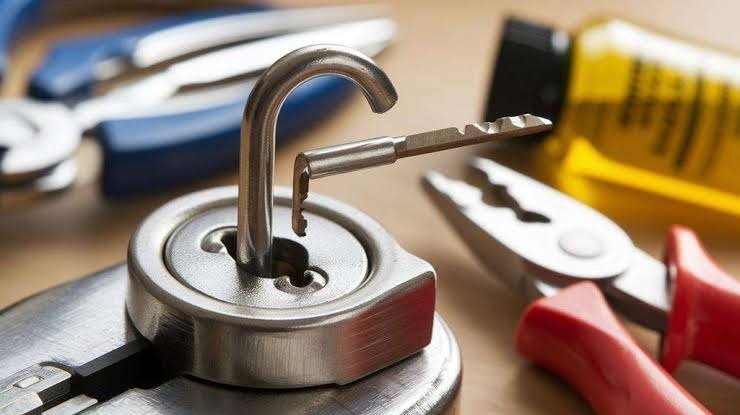
Keys experience considerable wear because homeowners use them every day. Over time, a key may bend, crack, become difficult to insert, or break inside the lock. Attempting to remove a broken key with household tools can push it farther into the cylinder or damage internal components. Professionals use appropriate extraction techniques designed to minimize additional damage. They can also determine whether the lock itself contributed to the problem. If the key has become worn, a locksmith can create a properly cut replacement, while a damaged lock may require repair or replacement.
5. Jammed Deadbolts and Stiff Mechanisms
Deadbolts provide an additional layer of protection, but they can become difficult to operate when internal components wear down, or the door and frame shift out of alignment. A stiff deadbolt should not be forced because excessive pressure can damage the thumb turn, cylinder, or bolt mechanism. Professionals inspect the deadbolt and surrounding hardware to identify the source of resistance. They may realign the door, adjust the strike plate, service the mechanism, or replace worn components. Proper servicing helps the deadbolt extend and retract smoothly while maintaining dependable residential security.
6. Worn-Out Locks May Need Replacement
Even high-quality locks eventually reach the end of their useful life. Rust, repeated use, damaged internal parts, outdated designs, and general wear can make repairs impractical. In these situations, Home lock replacement may provide a more dependable solution. A professional evaluates the existing hardware and recommends an appropriate replacement based on the door type, security requirements, and household needs. During installation, they ensure the new lock sits correctly and operates smoothly. This careful process can improve both convenience and security while avoiding problems caused by poorly fitted replacement hardware.
7. Upgrading Old Residential Locks
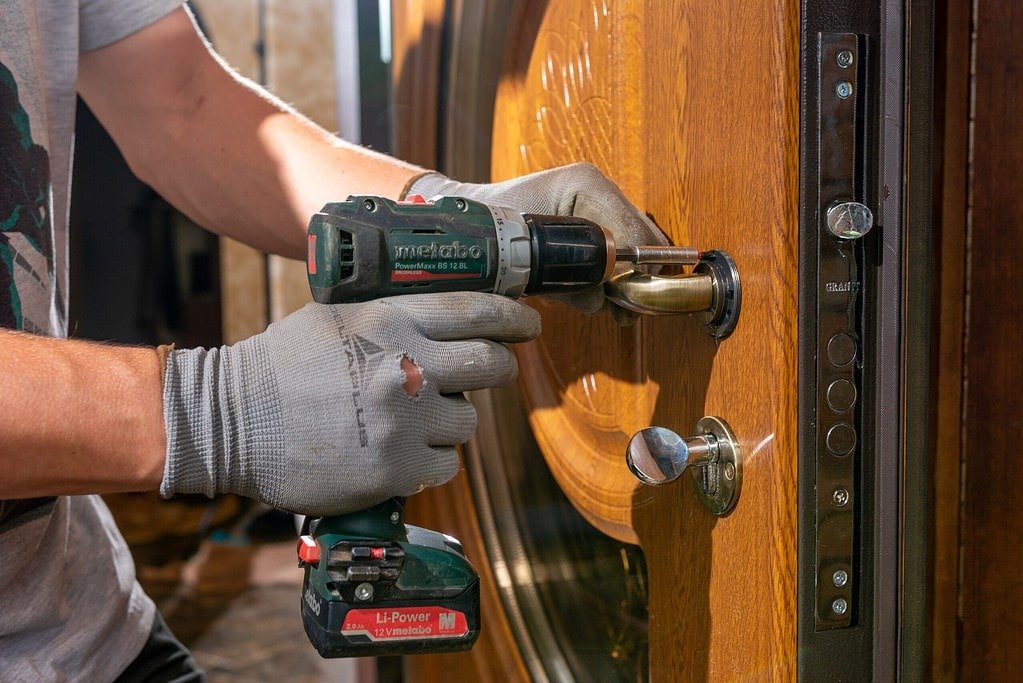
Older locks may still function, but that does not necessarily mean they provide the level of convenience or security homeowners currently need. For example, a homeowner may want improved deadbolts, keyless entry, or other modern locking options. Professional Residential lock installation allows the hardware to be selected and fitted according to the door and security requirements. A locksmith can explain available options and identify compatibility concerns before installation. Consequently, homeowners can upgrade their doors without relying on trial and error or purchasing hardware that does not properly fit the existing setup.
8. Rekeying Can Solve Key-Access Concerns
Homeowners sometimes believe they need completely new locks when rekeying may address their situation. Rekeying changes the internal configuration of a compatible lock so that existing keys no longer operate it. This can be useful after moving into a new home, losing keys, or wanting to limit access without replacing every lock. A professional locksmith can determine whether the existing hardware is suitable for rekeying. If the locks remain mechanically sound, rekeying may provide a practical way to regain control over who has working keys while preserving usable hardware.
9. Smart Locks Can Create Different Problems
Smart locks provide convenient keyless entry, but they can develop electronic or mechanical issues. Professional locksmiths can identify the cause and restore reliable access and security when troubleshooting fails.
- Battery issues: Replace depleted batteries.
- Connectivity problems: Check network or device connections.
- Installation errors: Correct improper fitting.
- Mechanical faults: Repair or service the lock cylinder.
10. What Professionals Check Before Fixing a Lock
A professional locksmith checks the entire locking system to identify the real cause of the problem. This includes the lock, key, door, frame, hinges, strike plate, and alignment before recommending the right solution.
Professional Inspection Checklist:
- Check the lock and internal components
- Inspect the key for damage or wear
- Examine door and frame alignment
- Check hinges for looseness or damage
- Inspect the strike plate and screws
- Test the lock’s operation and security
- Recommend repair, adjustment, rekeying, or replacement
11. Why Professional Locksmith Help Matters
DIY lock repairs can sometimes create additional problems, particularly when homeowners use incorrect tools or force stuck mechanisms. Professionals have specialized equipment and experience working with different lock types and door configurations. In addition, experienced technicians understand how proper installation affects both operation and security. Residential locksmith services can help with repairs, lockouts, rekeying, upgrades, and installations, while Commercial locksmith services address security needs for offices and other business properties. Using the appropriate service ensures that the solution matches the property rather than simply treating the visible symptom.
12. Prevent Lock Problems Before They Get Worse
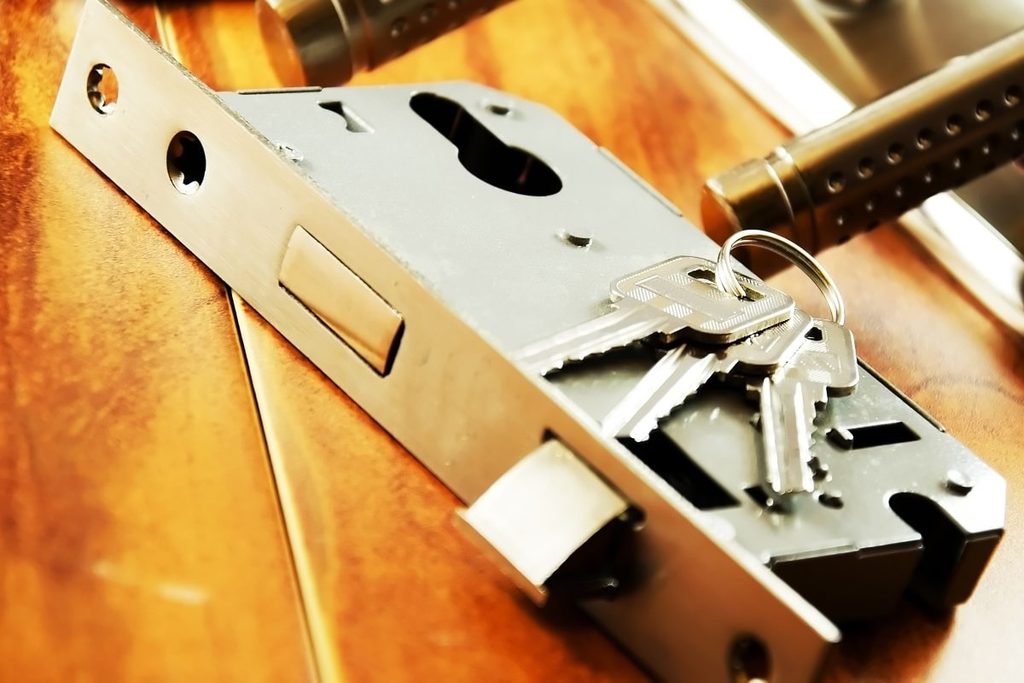
Regular attention can prevent many small lock problems from becoming major failures. Homeowners should avoid forcing keys, address loose hardware promptly, keep an eye on door alignment, and replace badly worn keys. It is also helpful to pay attention to warning signs such as grinding sounds, increased resistance, or a lock that requires repeated attempts to operate. When these symptoms appear, professional inspection can identify developing issues early. Preventive care not only improves convenience but can also reduce the likelihood of an unexpected lockout or emergency replacement later.
13. Get Reliable Help for Residential Lock Problems
A malfunctioning lock should never be ignored simply because the door still closes. Small warning signs can indicate worn components, alignment problems, or developing mechanical failures. Professional locksmiths can inspect the complete locking system and determine whether repair, rekeying, adjustment, or replacement makes the most sense. Whether you need routine assistance or new Residential locks, choosing properly fitted hardware and professional workmanship can make everyday access smoother and more dependable. For homeowners seeking residential locksmith assistance, explore the available residential services at Mike’s Mt. Pleasant Locksmiths to learn more about solutions designed for home security.
Wrapping Up
Residential lock problems can range from sticky mechanisms and broken keys to misaligned doors, damaged hardware, and smart lock failures. Although some issues appear minor, professional attention can prevent further damage and help maintain reliable home security. Experienced locksmiths can identify the root cause, recommend the right solution, and complete repairs or replacements efficiently. If your home has a faulty, damaged, or unreliable lock, professional assistance can provide peace of mind and dependable protection. For trusted residential locksmith solutions, contact Mike’s Mt. Pleasant Locksmiths for expert help with repairs, replacements, adjustments, and other lock-related needs.
FAQs
Q: How often should residential locks be replaced?
A: There is no universal replacement schedule. Locks should be evaluated when they become damaged, unreliable, severely worn, outdated, or no longer meet the homeowner’s security and access requirements.
Q: Can a locksmith repair a lock instead of replacing it?
A: Yes. Depending on the problem, a locksmith may repair, lubricate, adjust, rekey, or replace individual components. Replacement is generally considered when repair is no longer practical.
Q: Why does my key keep getting stuck?
A: A sticking key can result from a worn key, dirty cylinder, internal damage, or door misalignment. A professional inspection can identify the actual cause before further damage occurs.
Q: Is rekeying cheaper than replacing locks?
A: Rekeying can be a practical alternative when existing locks are mechanically sound. However, replacement may be more appropriate when hardware is damaged, worn out, or outdated.
Q: Should I replace locks after moving into a new home?
A: Many homeowners choose to rekey or replace locks after moving so they can control which keys provide access. A locksmith can assess the existing hardware and explain the available options.
Q: Can smart locks be repaired?
A: Some smart-lock problems can be corrected through battery replacement, configuration, physical adjustment, or servicing. More serious electronic or mechanical failures may require replacement.
Q: What is the difference between residential and commercial locksmith services?
A: Residential locksmith services generally focus on homes, while commercial locksmith services address business security requirements such as access control, master key systems, and commercial-grade hardware.
Q: When should I call a professional locksmith?
A: Contact a professional when a lock becomes difficult to operate, a key breaks, the door will not latch, hardware becomes loose, or you need secure lock installation or replacement.