

New locks strengthen residential doors by improving resistance to forced entry, unauthorized access, and lock tampering. They also provide homeowners with better security, peace of mind, and reliable control over who can enter their property.
Introduction
Your front door is one of the most important barriers protecting your home, family, and belongings. However, an old, damaged, or outdated lock can weaken that barrier and make unauthorized entry easier. Installing new locks can add an extra layer of protection by improving the door’s overall security and providing more reliable access control. Modern locks come in various designs and security levels, allowing homeowners to choose hardware that fits their doors and daily needs. Additionally, replacing worn locks can help address loose components, difficult operation, or compromised keys. By upgrading residential door locks, homeowners can strengthen security while gaining greater confidence in their home’s protection.
1. Replace Worn Locks Before They Become a Weak Point
Old locks can gradually become less dependable because of frequent use, weather exposure, loose screws, internal wear, or damaged components. A lock may still appear functional while its mechanism has already started deteriorating. Replacing aging hardware with new door locks can restore dependable operation and reduce the chance of a failing lock becoming an unnecessary security concern.
Professional new lock replacement also gives homeowners an opportunity to address problems that may not be obvious from the outside. A locksmith can inspect the lock, strike plate, door frame, hinges, and alignment before recommending a solution. This approach helps ensure the new hardware works as part of the entire door system rather than functioning as an isolated component.
2. Modern Lock Designs Offer More Security Features
Today’s residential locks come in a variety of designs that can provide features beyond those found in older hardware. Depending on the homeowner’s needs, options may include reinforced deadbolts, keyless entry, keypad access, smart locking features, or upgraded cylinders. Choosing appropriate hardware allows homeowners to address their specific access and security requirements.
When selecting a replacement, consider factors such as:
- Lock strength and construction quality
- Compatibility with the existing door
- Resistance to everyday wear
- Key control and access requirements
- Desired convenience features
- Compatibility with existing hardware
A professional can explain the differences between available options and help identify a lock that suits the door and household.
3. Proper Installation Helps the Lock Perform Correctly
A high-quality lock cannot provide its intended benefits if someone installs it incorrectly. Poor alignment, loose mounting screws, an improperly positioned strike plate, or an incorrectly fitted cylinder can affect how smoothly the lock operates. Professional door lock installation focuses on both the hardware and the way it interacts with the door and frame.
During new lock installation, a locksmith can make sure the latch and deadbolt extend correctly into the strike plate. They can also check whether the door closes evenly and whether the lock requires excessive force to engage. These details may seem minor, but proper fitting can make everyday locking more reliable while helping prevent premature hardware problems.
4. New Locks Can Improve Control Over Home Access
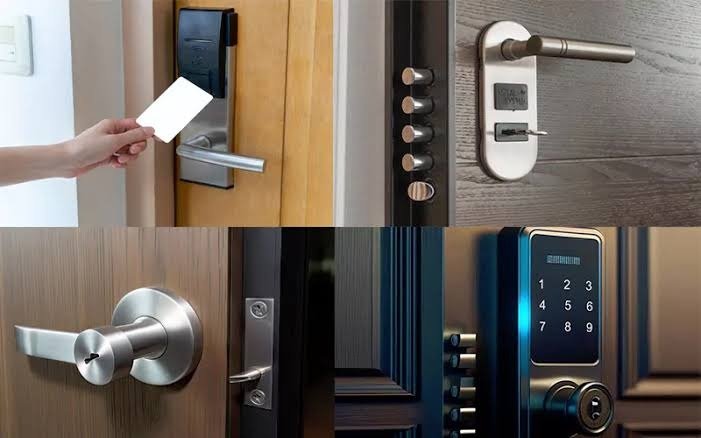
Homeowners may lose track of who has keys over the years. Former tenants, previous owners, contractors, guests, or even misplaced keys can create uncertainty about who may still have access. Installing a new lock can provide a practical way to regain control, particularly after moving into a property or experiencing a change in household access.
A professional new lock service can help homeowners select hardware that matches their access needs. In some situations, replacing the entire lock may be appropriate. In others, rekeying existing hardware may provide a suitable alternative. The right choice depends on the condition of the lock and the homeowner’s specific circumstances.
5. Stronger Door Hardware Supports Overall Protection
A residential door works as a system. The door itself, frame, hinges, strike plate, screws, and locking mechanism all contribute to how well the entry point performs. Installing a new lock while ignoring a weak strike plate or damaged frame may leave another part of the entry system vulnerable.
For better results, homeowners should consider:
- Inspecting the door frame for damage
- Checking that hinges remain secure
- Ensuring the strike plate sits firmly
- Using appropriately sized mounting hardware
- Confirming that the door closes and latches properly
- Addressing visible alignment problems
This whole-door approach makes new lock replacement more effective because the replacement hardware operates within a properly maintained entry system.
6. New Locks Can Add Convenience Without Sacrificing Function
Residential security does not have to be inconvenient. Modern locks can combine protection with features designed to make everyday access easier. Depending on the product, homeowners may choose traditional keyed locks, keypad systems, electronic locks, or smart locks with additional access-management capabilities.
For busy households, keyless options can reduce the need to carry physical keys. Some systems can also provide temporary access credentials for trusted visitors or service providers. However, electronic locks still require proper installation and maintenance. Batteries, connectivity, software, and mechanical components should all be considered before choosing a smart locking solution.
7. Professional Installation Helps Avoid Common Mistakes
Replacing a residential lock may look like a simple DIY project, but small installation errors can affect performance. Incorrect measurements, damaged door surfaces, misaligned components, or overtightened screws can create problems that are frustrating to diagnose later. Professional installation helps ensure the new hardware is fitted according to the door’s specific requirements.
A qualified locksmith can also identify underlying issues during the installation process. For example, a door that does not close correctly may have an alignment problem rather than a faulty lock. Addressing that issue at the same time can help the new hardware operate smoothly and reduce unnecessary future repairs.
8. New Locks Are Useful After Major Life Changes
Certain situations make updating residential locks particularly practical. Moving into a recently purchased property is one example because homeowners may not know how many copies of the previous keys exist. Other circumstances, such as a lost key, damaged lock, change in occupancy, or completed renovation, may also justify updating the locking system.
A professional new lock installation service can assess the situation and explain whether replacement, rekeying, repair, or another solution makes sense. Instead of automatically replacing every component, a locksmith can focus on the actual condition of the hardware and the homeowner’s access requirements.
9. Choose the Right Lock for Each Residential Entry
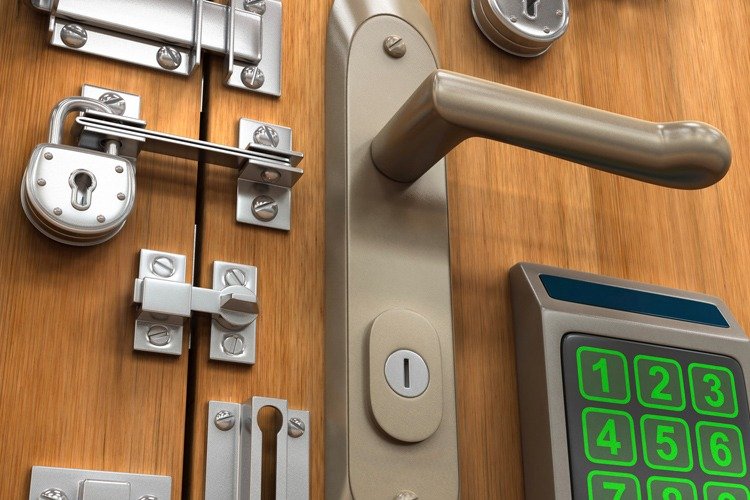
Not every door requires the exact same type of lock. A front entrance may have different requirements than a back door, garage entry, patio door, or interior room. The door’s construction, location, frequency of use, and desired access method should all influence the hardware selection.
Before purchasing new door locks, homeowners should consider how each entrance is used. A frequently used exterior door may benefit from durable hardware designed for regular operation, while another entry may require a different locking arrangement. Professional guidance can help prevent homeowners from choosing a lock based solely on appearance or price.
10. Upgrade Your Residential Security With Professional Help
A lock upgrade is a relatively focused improvement that can contribute to a home’s broader security strategy. However, the value of a new lock depends heavily on selecting suitable hardware and installing it correctly. Professional locksmith service provides homeowners with an opportunity to evaluate the complete entry point before making an upgrade.
If your residential locks are old, damaged, difficult to operate, or no longer meet your access needs, consider professional new lock installation. Mike’s Mt. Pleasant Locksmiths can help homeowners evaluate their locking needs and choose an appropriate solution for their doors. Taking action before a lock completely fails can also make an upgrade more convenient and predictable.
Final Thoughts
Choosing new locks is a practical way to strengthen residential door security and create greater peace of mind. Modern lock options can provide improved resistance to forced entry while offering convenient features for everyday access. Whether you are upgrading outdated hardware, replacing damaged locks, or improving security after moving into a new home, professional installation helps ensure reliable performance. A qualified locksmith can assess your doors and recommend solutions that match your security needs and budget. For dependable assistance, Mike’s Mt. Pleasant Locksmiths can help homeowners choose and install suitable new locks, adding an extra layer of protection to their residential properties.
FAQs
Q: How often should residential door locks be replaced?
A: There is no universal replacement schedule. Locks should be evaluated when they become difficult to operate, show visible damage, develop excessive wear, or no longer meet the homeowner’s security and access requirements.
Q: Is replacing a lock better than repairing it?
A: It depends on the lock’s condition. Minor problems may be repairable, while severely worn, damaged, or outdated hardware may be better suited for new lock replacement.
Q: Can I install new door locks myself?
A: Some basic locks can be installed by experienced homeowners, but professional installation can help ensure proper alignment, secure mounting, and compatibility with the existing door and frame.
Q: What should I consider when choosing a new lock?
A: Consider the door type, lock construction, access requirements, durability, installation compatibility, desired convenience features, and whether you prefer keyed or keyless entry.
Q: Does a new lock improve home security?
A: A properly selected and installed lock can strengthen an important residential entry point. However, overall home protection also depends on the door, frame, hinges, lighting, windows, and other security measures.
Q: Should I replace locks after moving into a new home?
A: Many homeowners choose to replace or rekey locks after moving because they may not know who has copies of existing keys. A locksmith can explain the available options based on the condition of the hardware.
Q: What is included in professional door lock installation?
A: Depending on the service, installation may include removing existing hardware, fitting the new lock, aligning the latch or deadbolt, securing components, testing operation, and checking the door’s overall alignment.
Q: Can a locksmith replace just one lock?
A: Yes. A locksmith can generally address an individual entry point when only one lock needs attention. They can also evaluate other locks if the homeowner wants to upgrade multiple doors.