
Lock repair can extend the life of your door hardware by fixing worn, damaged, or misaligned components before they cause further problems. Regular repairs also improve smooth operation, reduce strain, and help prevent costly replacements.
Introduction
Door hardware plays an important role in keeping your property secure while ensuring doors open and close smoothly. However, daily use can gradually cause locks, latches, hinges, strike plates, and other components to wear down. When minor problems appear, timely lock repair can prevent them from becoming expensive hardware failures. Instead of replacing an entire lock or door system, a professional can identify the underlying issue and restore damaged components when possible. Moreover, proper repairs reduce unnecessary strain on surrounding hardware and improve overall door performance. Understanding how lock repair extends hardware life can help property owners maintain security, functionality, and long-term value.
Why Timely Lock Repair Matters for Door Hardware
Small lock problems rarely remain isolated for long. A stiff key, loose lock, or misaligned latch can force users to push, pull, jiggle, or lift the door repeatedly. Those actions can increase pressure on the lock and surrounding hardware. A professional Lock repair service can identify these issues early and correct them before they cause additional damage. Regular attention also helps maintain smooth operation and dependable security. Rather than waiting until a lock completely fails, addressing minor problems can protect the entire door assembly and reduce the likelihood of premature hardware replacement.
Repairing Problems Before They Become Expensive
Ignoring a malfunctioning lock may seem convenient when the door still opens and closes. However, repeated use of damaged hardware can gradually make the problem worse. For example, a loose lock may place uneven pressure on the latch, while a misaligned strike plate can make the deadbolt difficult to operate. Early Door lock repair can correct these issues and help prevent related damage. A professional inspection can also determine whether the problem comes from the lock itself, the door frame, hinges, or another component.
How Proper Alignment Protects Your Lock
Door alignment plays an important role in the lifespan of locking hardware. When a door shifts, sags, or rubs against the frame, the latch and deadbolt may no longer line up correctly with the strike plate. This forces the locking mechanism to work harder every time the door closes. A locksmith can check the alignment and make appropriate adjustments. Correcting the underlying issue can reduce unnecessary friction and pressure, allowing the lock and other hardware to operate more naturally.
Signs Your Door Hardware Needs Professional Attention
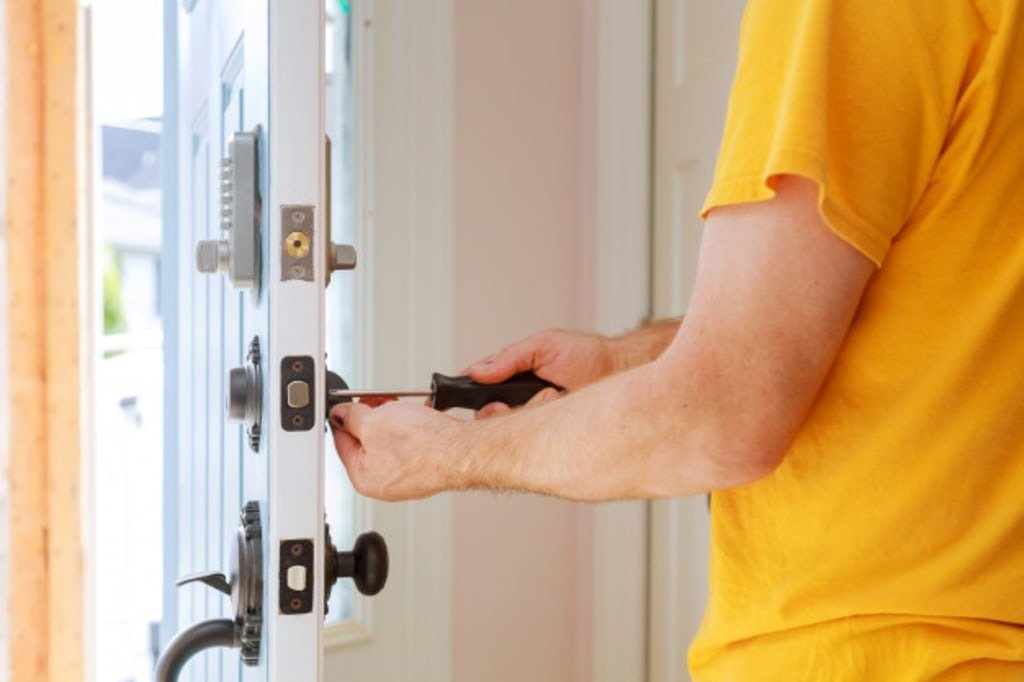
Many homeowners overlook early warning signs because the door still appears functional. Paying attention to small changes, however, can help prevent a sudden lock failure. If you notice unusual resistance, grinding, loose components, or difficulty turning a key, consider having the system inspected. These symptoms may indicate worn internal parts, alignment problems, or developing hardware damage. A timely Residential lock repair can address the immediate concern while also protecting connected components from unnecessary stress.
Common warning signs include:
- A key becomes difficult to insert, turn, or remove.
- The latch does not retract smoothly when the handle moves.
- The deadbolt requires pushing or pulling the door.
- The lock feels loose or moves inside the door.
- You hear grinding, scraping, or unusual clicking sounds.
- The key repeatedly gets stuck or begins to bend.
- The strike plate appears loose or incorrectly positioned.
Cleaning and Lubrication Can Reduce Unnecessary Wear
Dirt, dust, moisture, and debris can gradually affect the moving parts inside a lock. When these contaminants build up, the mechanism may become harder to operate and create additional friction. Proper cleaning and manufacturer-approved lubrication can help maintain smoother movement. However, using the wrong product can potentially cause problems or attract additional debris. For that reason, homeowners should follow the lock manufacturer’s recommendations or ask a professional for guidance when they are unsure which maintenance method is appropriate.
Protecting Hinges, Strike Plates, and Screws
Lock performance depends on more than the cylinder or deadbolt itself. Hinges, screws, strike plates, and the surrounding door frame all contribute to proper operation. Loose hinges can cause a door to sag, while a loose strike plate can prevent the latch from engaging correctly. During a repair visit, a locksmith can examine these connected components and identify conditions affecting the lock. Addressing these supporting hardware problems can help reduce stress throughout the door assembly and improve long-term reliability.
Residential Locks Need Regular Attention
Residential doors may be opened and locked several times every day, making them vulnerable to gradual wear. Families may also use the same entry door hundreds or thousands of times each year. A small problem can therefore become noticeable quickly when the hardware receives constant use. Residential lock repair can address worn mechanisms, loose components, alignment concerns, and other common issues. Keeping residential locks in good working condition can make everyday access easier while helping homeowners avoid preventable hardware failures.
Commercial Doors Experience Even More Daily Wear
Commercial properties often have doors that experience significantly more traffic than residential entrances. Employees, customers, deliveries, and visitors may use the same doors repeatedly throughout the day. Consequently, even high-quality locking hardware can experience substantial wear over time. Commercial lock repair can help businesses maintain reliable operation without automatically replacing functioning hardware. A professional can inspect heavily used locks, identify worn components, and determine whether adjustment or repair can restore proper performance.
When Broken Lock Repair Can Save Your Existing Hardware
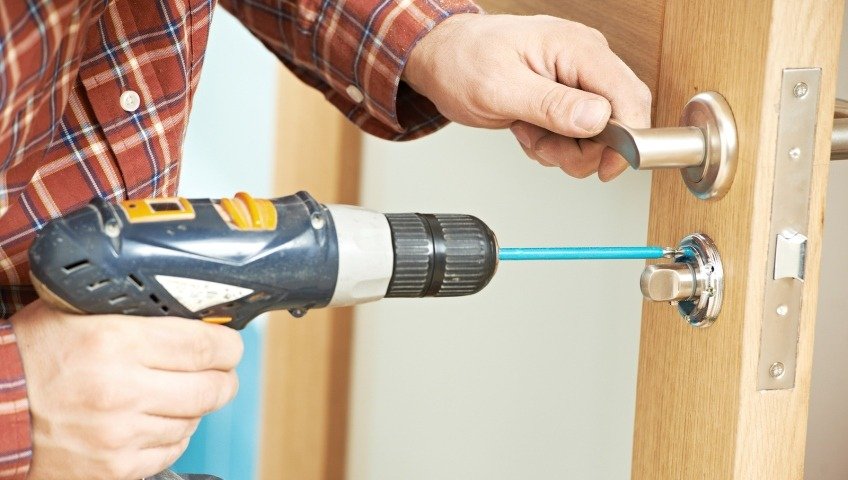
A completely malfunctioning lock does not always mean that every part of the door hardware needs replacement. Depending on the damage, a locksmith may be able to repair or replace specific internal components while preserving other usable parts. Broken lock repair is especially useful when a mechanism has suffered localized damage but the surrounding door, frame, and hardware remain in good condition. Professional assessment is important because the appropriate solution depends on the lock’s design, age, condition, and extent of damage.
Why Worn Keys Can Affect Lock Longevity
The key and lock work together, so problems with one can affect the other. A worn or damaged key may not properly engage the internal components of the lock. Users may respond by twisting harder, wiggling the key, or applying additional pressure, potentially increasing wear. If a key becomes difficult to operate, replacing or repairing the key may help protect the lock. A locksmith can also determine whether the lock itself has developed a problem that needs attention.
Repair or Replacement? Let the Condition Decide
Replacing a lock immediately is not always necessary. If the existing hardware remains structurally sound and the problem involves a repairable component, professional service may restore reliable operation without requiring a complete replacement. On the other hand, severely damaged, outdated, or repeatedly failing hardware may be more practical to replace. The important point is to make the decision based on the actual condition of the hardware. A professional evaluation can help property owners understand their available options before spending money on unnecessary replacements.
Professional Lock Repair Helps Protect the Whole Door System
A qualified locksmith looks beyond the component that appears to be malfunctioning. They can evaluate the lock, key, latch, strike plate, hinges, door frame, and alignment to determine whether several issues are contributing to the problem. This broader approach matters because repairing only the visible symptom may not solve the underlying cause. For example, installing a new lock on a badly misaligned door may simply lead to another problem later. Comprehensive inspection can provide a more durable solution.
Don’t Wait Until a Lock Stops Working
One of the easiest ways to protect door hardware is to respond when something starts feeling different. A lock that suddenly becomes stiff, noisy, loose, or difficult to operate is giving you useful information. Waiting until the mechanism completely fails can turn a manageable repair into an urgent situation. If you are searching for Lock repair near me, choose a professional who can inspect the condition of the hardware and explain whether repair, adjustment, or replacement is appropriate.
Get More Life From Your Door Hardware With Professional Repair
Proper lock repair is not simply about making a key turn again. It can help reduce unnecessary stress, protect connected hardware, improve everyday operation, and delay premature replacement. Whether you own a home or manage a business, paying attention to small lock problems can make a meaningful difference over time. Mike’s Mt. Pleasant Locksmiths provides professional lock repair for residential and commercial customers, with more than 45 years of locksmith experience. Their service focuses on assessing the problem and finding a practical repair solution when repair is appropriate.
Wrapping Up
Timely lock repair is a practical way to protect your door hardware and avoid unnecessary replacements. By addressing worn components, alignment issues, loose parts, and internal lock problems early, you can reduce stress on the entire door system and keep it working smoothly. Professional repairs can also support better security while extending the useful life of your existing hardware. Whether you need a minor adjustment or a more detailed lock inspection, choosing experienced help makes a difference. For dependable service and professional guidance, contact Mike’s Mt. Pleasant Locksmiths to keep your locks and door hardware functioning securely and efficiently.
FAQs
Q: How does lock repair extend the life of door hardware?
A: Lock repair corrects worn, loose, damaged, or misaligned components, reducing unnecessary stress and helping the surrounding door hardware operate properly for longer.
Q: When should I consider professional lock repair?
A: Consider professional repair when a lock becomes stiff, loose, noisy, difficult to turn, or unreliable during normal operation.
Q: Can a misaligned door damage a lock?
A: Yes. A misaligned or sagging door can place additional pressure on the latch and deadbolt, potentially accelerating wear on the locking hardware.
Q: Is repairing a lock better than replacing it?
A: It depends on the lock’s condition. Repair may be practical when the hardware is otherwise sound, while severely damaged or repeatedly failing locks may require replacement.
Q: Does a damaged key affect the lock?
A: Yes. A worn or damaged key can make users apply extra force, potentially increasing wear on the lock’s internal components.
Q: Can commercial locks be repaired?
A: Yes. Commercial lock repair can address many common problems, including worn mechanisms, loose components, alignment issues, and other operational concerns.
Q: What is Broken lock repair?
A: Broken lock repair involves assessing damaged locking hardware and repairing or replacing appropriate components to restore proper operation when feasible.